

Beginner friendly meal recipes for diabetic eaters were something I desperately needed when my father was diagnosed with type 2 diabetes and we had no idea where to start. Every recipe online felt either too complicated or too bland, like food had become punishment instead of pleasure. After months of trial, error, and a lot of label reading, we found meals that balanced blood sugar without making dinner feel like a medical procedure.
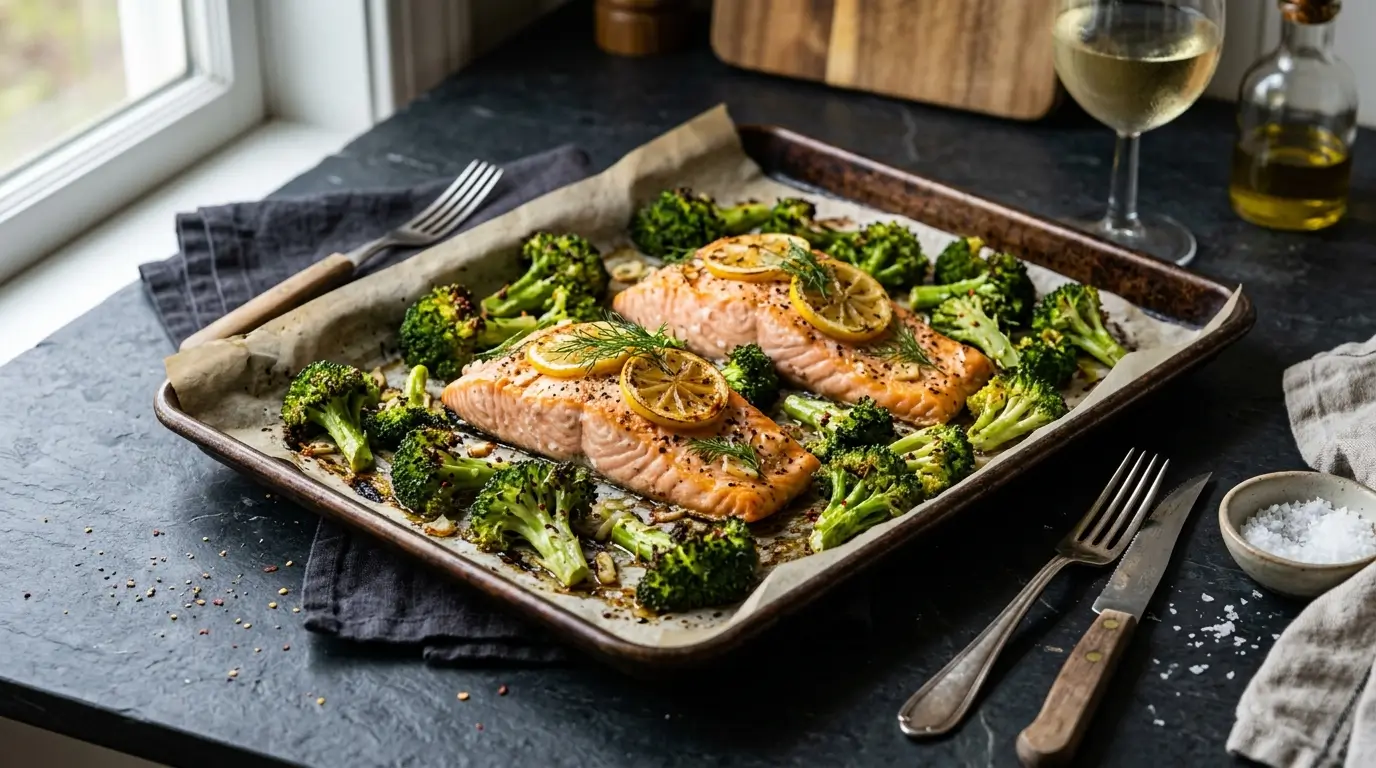
1. Baked Lemon Herb Salmon with Roasted Broccoli
Fatty fish like salmon supports blood sugar stability because it’s high in protein and omega 3 fatty acids with zero carbohydrates. Season two salmon fillets with olive oil, lemon juice, garlic, dill, salt, and pepper. Place on a foil lined sheet pan with broccoli florets and roast at 400°F for about 18 to 20 minutes.
The broccoli gets slightly crispy at the edges while the salmon stays tender and flaky. Roasted broccoli has a lower glycemic impact than starchy vegetables, making it a consistent go-to side. This entire dinner takes under 25 minutes and requires minimal cleanup.
2. Turkey and Vegetable Lettuce Wraps
Lettuce wraps replace the carb-heavy tortilla with crisp romaine or butter lettuce leaves, which keeps the meal light and blood sugar friendly. Brown ground turkey with garlic, soy sauce, ginger, and a little rice vinegar. Spoon into lettuce cups and top with shredded carrots and sliced green onions.
The portion is flexible, which makes it easy to adjust for different appetites. Ground turkey is lean and digests more slowly than refined carbs. My father started requesting this weekly, which is the highest possible compliment.
3. Egg and Veggie Scramble with Whole Grain Toast
Eggs have a glycemic index of essentially zero, which makes them ideal for blood sugar management. Scramble two or three eggs with diced bell peppers, spinach, and onion in a skillet with olive oil. Season with salt, pepper, and a pinch of turmeric.
Serve with one slice of whole grain toast instead of white bread. The fiber in whole grain bread slows glucose absorption significantly. This is one of my most reliable beginner friendly meal recipes for diabetic eaters because it’s fast, flexible, and filling.
4. Greek Salad with Grilled Chicken
Grilled chicken is a clean, versatile protein that works for any meal of the day. Season chicken breasts with olive oil, oregano, garlic powder, salt, and pepper. Grill or cook in a skillet for about six minutes per side. Slice and serve over chopped romaine with cucumber, tomatoes, red onion, olives, and feta.
Dress it with olive oil and red wine vinegar instead of a store-bought dressing that might contain added sugar. The combination of protein, healthy fat, and low glycemic vegetables makes this a well balanced plate.
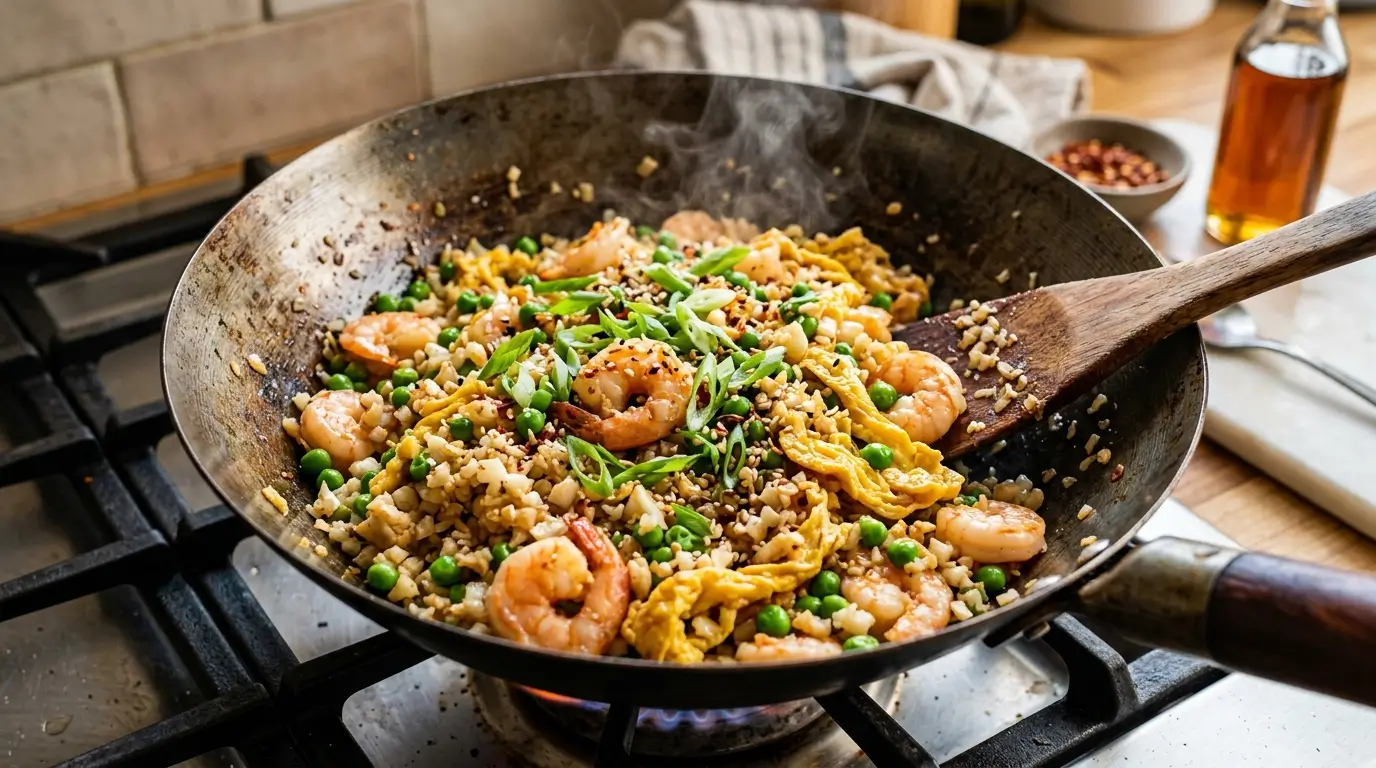
5. Cauliflower Fried Rice with Shrimp
Regular fried rice spikes blood sugar because of the white rice base. Cauliflower rice solves that completely. Pulse cauliflower florets in a food processor until they resemble rice grains, then sauté in a skillet with sesame oil. Add cooked shrimp, frozen peas, garlic, ginger, and soy sauce.
Crack two eggs directly into the pan and scramble them into the mixture. Cauliflower rice absorbs flavors beautifully while keeping net carbs very low. This dish satisfies the craving for takeout without the blood sugar consequences that follow.
6. White Bean and Kale Soup
Beans have a lower glycemic index than most people expect, especially when paired with fiber rich vegetables. Sauté diced onion and garlic in olive oil, then add cannellini beans, chopped kale, chicken broth, diced tomatoes, and Italian seasoning. Simmer for about 20 minutes.
The fiber from both the kale and beans slows digestion and prevents blood sugar spikes. This soup keeps well in the fridge for four days, making it one of the most practical beginner friendly meal recipes for diabetic eaters in a weekly rotation.
7. Baked Chicken Thighs with Roasted Asparagus
Bone-in chicken thighs roast beautifully with almost no effort. Season them with olive oil, garlic, smoked paprika, salt, and pepper. Place on a sheet pan with asparagus tossed in the same seasoning. Roast at 425°F for 35 to 40 minutes.
Asparagus is a low carb vegetable that pairs naturally with protein. The skin on the chicken gets golden and crispy while the meat stays juicy. Serve without a starchy side and the meal keeps carbs naturally low without feeling restrictive.
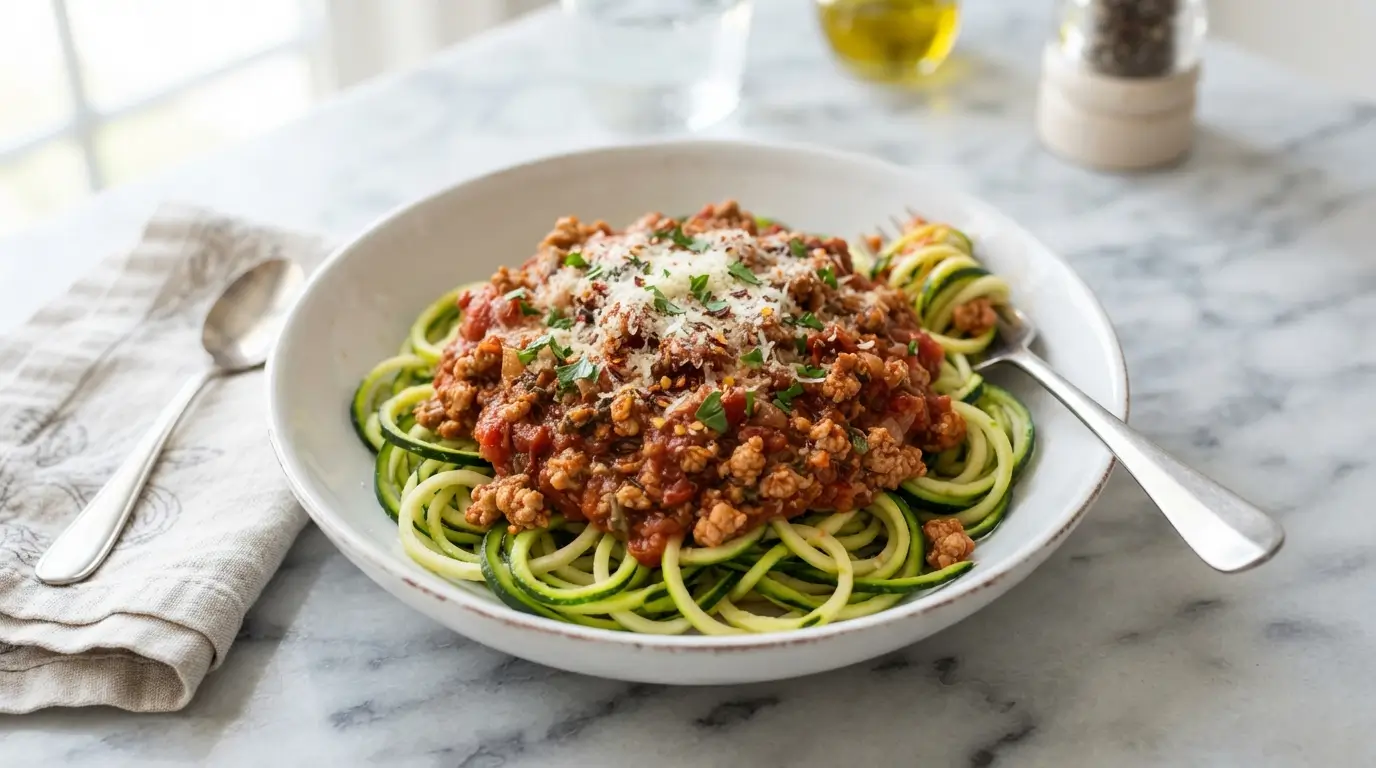
8. Zucchini Noodles with Turkey Meat Sauce
Swap traditional pasta for zucchini noodles to dramatically reduce the carbohydrate load without sacrificing the comfort of a pasta dinner. Spiralize two large zucchinis or buy pre-spiralized zucchini at stores like Trader Joe’s. Brown ground turkey with garlic, crushed tomatoes, Italian seasoning, and a pinch of red pepper flakes.
Toss the zucchini noodles in the warm sauce for about two minutes. Zucchini noodles release water as they cook, so avoid overdoing the time or they become soggy. The sauce carries the flavor and the zucchini provides bulk without spiking glucose.
9. Sheet Pan Sausage with Bell Peppers and Onions
Chicken sausage is a lower fat, lower calorie option that still provides satisfying protein. Slice chicken apple sausage links into rounds and toss on a sheet pan with sliced bell peppers and onions. Drizzle with olive oil, salt, and Italian seasoning. Roast at 400°F for about 25 to 30 minutes.
Serve over cauliflower rice or alongside a simple green salad. Bell peppers contain natural sweetness without a high glycemic impact, which makes them a smart choice for diabetic cooking. This meal is simple, colorful, and reliably good.
10. Tuna and Avocado Salad Cups
Canned tuna combined with mashed avocado creates a creamy, protein-packed filling that needs no mayo and no cooking at all. Mix one can of drained tuna with half a mashed avocado, lemon juice, salt, pepper, and diced celery. Spoon into romaine lettuce cups or serve with cucumber slices.
Healthy fats from avocado slow digestion and help prevent blood sugar spikes after eating. This meal comes together in five minutes and requires zero cooking. On days when the kitchen feels like too much, this one never fails.
Why Beginner Friendly Meal Recipes for Diabetic Eaters Work
The core principle behind all of these recipes is the same: prioritize protein, healthy fat, and fiber while keeping refined carbohydrates low. That combination slows glucose absorption and helps blood sugar stay stable after meals.
None of these recipes require complicated techniques or specialty ingredients. They use real food you can find at any grocery store. The focus is on whole proteins like fish, chicken, and eggs paired with vegetables that have a low to moderate glycemic impact.
IMO, the biggest mistake people make when first cooking for diabetes is assuming the food has to be boring or restrictive. These recipes prove the opposite. Cooking this way is just smart eating, and the rest of the family can enjoy it too without feeling like they’re on a medical diet.
FAQs
Are these beginner friendly meal recipes for diabetic eaters suitable for type 1 and type 2 diabetes?
These recipes focus on low glycemic, high protein, and high fiber principles that support blood sugar management for both types. Always work with your healthcare provider or dietitian to confirm that any meal plan suits your specific medication and glucose targets.
What cooking oils work best for diabetic cooking?
Olive oil and avocado oil are excellent choices. Both contain healthy monounsaturated fats that support heart health, which matters for people with diabetes who face elevated cardiovascular risk. Avoid partially hydrogenated oils and highly processed seed oils when possible.
Can I still eat carbohydrates with diabetes?
Yes. The goal is choosing carbohydrates that come with fiber, like vegetables, legumes, and whole grains, which slow glucose absorption. Avoiding refined carbs like white bread, white rice, and sugary foods makes the biggest difference in blood sugar management.
How do I add variety without making cooking complicated?
Rotate your protein source each night. Use salmon one day, chicken thighs the next, then turkey or eggs. Keep two or three vegetable sides you enjoy and mix and match. Variety comes from combining familiar ingredients differently rather than learning new techniques.
What are the best pantry staples for diabetic cooking?
Canned beans, canned tomatoes, olive oil, dried herbs, cauliflower rice, whole grain bread, canned tuna, chicken broth, and eggs cover most of the recipes listed here. Keeping these stocked means you can pull together a balanced meal any night without extra planning.
Conclusion
Cooking for diabetes doesn’t mean giving up flavor or spending hours in the kitchen. These recipes are straightforward enough for a complete beginner and satisfying enough that no one at the table will feel like they’re eating around a restriction. Which one are you trying first this week?